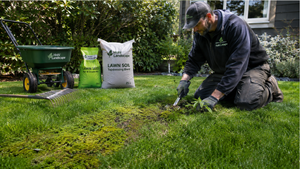
A beautiful garden doesn’t happen by accident. Behind healthy plants, colourful flowers, and tidy garden beds is a little planning and consistent care throughout the year. If you live in Victoria, BC, you’ll know that gardening here comes with its own challenges. Our mild, rainy winters can leave soil soggy, while relatively dry summers make watering and plant selection especially important. The good news? You don’t need to spend every weekend working in your yard to keep it looking its best. With the right garden maintenance tips, you can create a healthier, more manageable outdoor space that looks inviting through every season. Whether you’re caring for a small garden in Langford or a larger landscaped property in Oak Bay, this guide explains what to do, when to do it, and how to avoid common gardening mistakes.
Why Year-Round Garden Maintenance Matters in Victoria, BC
Gardens don’t completely stop growing when summer ends. Victoria’s relatively mild coastal climate means some plants remain active during the cooler months, and weeds can continue growing when conditions are favourable. However, every season brings different maintenance requirements. Spring encourages new growth, summer creates watering challenges, autumn is an important time for preparation, and winter brings drainage and moisture concerns.
Regular garden care helps you:
- Keep plants healthy and encourage seasonal growth.
- Identify pests and diseases early.
- Reduce unnecessary watering and fertilizer use.
- Prevent overcrowded planting beds.
- Maintain attractive outdoor spaces throughout the year.
The secret isn’t doing everything at once. It’s completing the right tasks at the right time.
1. Start With Healthy Soil: The Foundation of Garden Care
Healthy soil is one of the most important parts of successful gardening. Soil supports plant roots, stores moisture, provides nutrients, and creates an environment for beneficial organisms. When soil becomes compacted or poorly drained, plants may struggle even when they’re receiving enough sunlight and water.
How to improve your garden soil
Start by checking how well water drains after rainfall. If water remains on the surface for extended periods, avoid adding more irrigation until you understand the cause. Adding mature compost can help improve many garden soils, but the amount and method depend on existing soil conditions. Avoid repeatedly digging around established plant roots, as unnecessary disturbance can damage them.
Practical tip: Before applying fertilizer or lime, consider a soil test. Yellowing leaves don’t always indicate nutrient deficiency; poor drainage and root problems can produce similar symptoms.
2. Water Your Garden Properly Throughout the Year
One of the most common gardening mistakes is watering according to a fixed routine rather than actual plant needs. Victoria’s dry summers can increase irrigation demand, while wet winter conditions often reduce the need for supplemental watering.
How often should you water garden plants?
There’s no single schedule that works for every garden. Watering frequency depends on plant species, soil type, weather, and whether plants are newly established. Check the soil several centimetres below the surface before watering. If it’s still moist, additional watering may be unnecessary. If the root zone is drying out, water slowly enough for moisture to reach the roots. Consider using drip irrigation for planting beds to reduce unnecessary water use. The Capital Regional District’s regular Stage 1 watering schedule runs from May 1 through September 30. Always check current restrictions before operating sprinklers.
Helpful tip: Newly planted shrubs and perennials usually need more frequent attention than established plants, even when they’re described as drought-tolerant.
3. Use Mulch to Protect Plants and Reduce Weeds
Mulching is one of the simplest ways to improve garden health. A suitable layer of organic mulch helps retain soil moisture, regulate soil temperature, suppress weed growth, and improve garden appearance.
Common options include:
- Shredded bark
- Wood chips
- Composted leaves
- Suitable organic garden mulch
For many established planting beds, approximately 5–7 cm of mulch provides useful coverage, depending on the material and site. Keep mulch away from plant stems and tree trunks to reduce the risk of moisture-related damage. Avoid piling mulch against the base of shrubs. Refresh it when necessary rather than continually adding thick new layers.
4. Prune Trees and Shrubs at the Right Time
Pruning helps maintain plant structure, remove damaged growth, and prevent shrubs from becoming overcrowded. However, improper pruning can reduce flowering or damage plants.
When should you prune?
The best timing depends on the species. Many spring-flowering shrubs are best pruned after blooming because their flower buds develop on older growth. Other plants may benefit from selective pruning while dormant. Remove dead, damaged, or diseased branches when appropriate, using clean, sharp tools. Avoid heavy pruning simply because the calendar says it’s time. For larger trees, unstable branches, or work near utilities, use a qualified professional. Hohl Landscape’s professional landscape maintenance services include pruning, hedge trimming, and ongoing garden bed care.
5. Control Weeds Before They Spread
Weeds compete with desirable plants for moisture, space, and nutrients.
They can also make neatly landscaped garden beds look untidy.
The easiest time to remove most weeds is when they’re young, and their root systems are relatively small.
Practical weed prevention tips
- Remove weeds before they produce seeds.
- Pull established weeds carefully to remove as much root as possible.
- Maintain an appropriate mulch layer.
- Avoid leaving large areas of exposed soil.
- Inspect planting beds regularly.
Persistent weeds may require a different management strategy depending on the species. If you identify an invasive plant, follow local removal and disposal guidance rather than composting material that could spread. Avoid unnecessary pesticide use and follow applicable BC and municipal regulations.
6. Choose Plants That Suit Victoria’s Climate
Selecting suitable plants can significantly reduce long-term maintenance. A plant that thrives in a shaded, moist garden may struggle beside a hot, south-facing patio. Instead of choosing plants based only on appearance, consider their mature size, sunlight requirements, drainage preferences, and seasonal watering needs.
Plants worth considering
| Plant | Suitable Garden Conditions |
| Sword fern | Shade and partial shade |
| Salal | Woodland-style gardens with suitable soil |
| Oregon grape | Species-dependent sun or partial shade |
| Red-flowering currant | Sunny to partially shaded locations |
| Kinnikinnick | Sunny, well-drained areas |
| Lavender | Full sun and excellent drainage |
Native and climate-adapted plants can help create an attractive West Coast garden while supporting local wildlife. However, even native plants require appropriate conditions and establishment care. For homeowners considering a redesign, our guide to modern landscaping trends in Victoria, BC explores practical planting and outdoor design ideas.
7. Prevent Common Garden Problems Before They Become Serious
Healthy gardens benefit from regular inspection. Look for changes in leaf colour, unusual spots, wilting, damaged stems, and signs of insect activity. Not every insect is harmful, and not every yellow leaf indicates disease.
Common garden problems and solutions
| Problem | Possible Cause | First Action |
| Yellow leaves | Water stress, nutrient issues, root damage | Check soil moisture |
| Wilting plants | Dry or saturated soil | Inspect root-zone conditions |
| Brown leaf edges | Heat, drought, wind, or salt exposure | Assess exposure and watering |
| Excess weeds | Exposed soil or established weed roots | Remove weeds and refresh mulch |
| Persistent dampness | Poor drainage or unsuitable planting | Investigate water movement |
When a problem appears, identify the likely cause before applying fertilizer or treatments. For properties with both gardens and lawns, our article on common lawn problems in Victoria, BC provides additional guidance on moss, brown patches, and drainage concerns.
8. Seasonal Garden Maintenance Checklist for Victoria Homeowners
Following a seasonal routine can make garden care easier and more predictable.
Spring: March to May
Spring is the time to assess winter damage and prepare for new growth.
- Remove accumulated debris.
- Check plants for winter damage.
- Add compost where needed.
- Refresh mulch.
- Inspect irrigation systems.
- Plant suitable perennials and shrubs.
Be mindful of nesting birds before pruning hedges or removing dense vegetation.
Summer: June to August
Summer maintenance focuses on managing moisture and keeping plants healthy during dry conditions.
- Monitor soil moisture regularly.
- Follow applicable watering restrictions.
- Remove weeds before they spread.
- Deadhead suitable flowering plants.
- Check for pest or disease symptoms.
- Avoid unnecessary heavy pruning during heat stress.
Fall: September to November
Autumn is an excellent time to prepare your garden for cooler, wetter weather.
- Plant suitable shrubs and perennials.
- Collect excessive fallen leaves.
- Clear blocked drainage areas.
- Remove spent annuals.
- Apply suitable compost and mulch.
- Inspect trees and shrubs for damage.
Winter: December to February
Victoria’s winters are generally milder than those in much of Canada, but excessive moisture remains a concern.
- Avoid working saturated soil.
- Monitor drainage after heavy rainfall.
- Remove hazardous fallen branches.
- Protect vulnerable plants during cold snaps.
- Clean and maintain garden tools.
- Plan improvements for the coming growing season.
For more detailed professional maintenance considerations, explore our year-round garden maintenance guide for Victoria homeowners.
9. Keep Your Garden Manageable With a Simple Maintenance Routine
A healthy garden doesn’t require daily intensive work. For many homeowners, a short weekly inspection can prevent small problems from becoming expensive repairs.
Weekly tasks
Check moisture levels, remove visible weeds, look for unhealthy plants, and tidy pathways.
Monthly tasks
Inspect irrigation equipment, review plant growth, check mulch coverage, and identify pruning requirements.
Seasonal tasks
Prepare planting beds, complete appropriate pruning, address drainage concerns, and adjust watering practices. If your property includes a substantial lawn, consider coordinating garden care with your regular lawn maintenance schedule. Our guide to monthly lawn maintenance plans explains how recurring visits can help homeowners manage ongoing outdoor maintenance.
Frequently Asked Questions About Garden Maintenance
1. How often should I maintain my garden in Victoria, BC?
Most gardens benefit from weekly checks during the growing season and more detailed maintenance as needed. Visit frequency depends on garden size, plant types, weather, and the level of upkeep you prefer.
2. What is the best time to prepare garden beds?
Spring and fall are generally useful seasons for garden bed preparation in Victoria. Avoid digging saturated soil, and choose planting dates based on the species and expected weather.
3. How do I keep weeds out of my garden naturally?
Remove weeds before they set seed, maintain suitable mulch coverage, reduce exposed soil, and regularly inspect planting beds. Persistent invasive species may require specialized management.
4. Should I fertilize my garden every month?
Usually not. Fertilizer requirements depend on plant species and soil nutrient levels. Applying unnecessary fertilizer can harm plants and contribute to runoff. Soil testing can help determine actual needs.
5. How can I protect my garden during Victoria’s wet winters?
Maintain clear drainage routes, avoid compacting saturated soil, use suitable mulch, and choose plants that tolerate your property’s winter moisture conditions.
6. What are the easiest plants to maintain in Victoria?
Suitable native and climate-adapted species can be relatively manageable once established. Sword ferns, salal, Oregon grape, and other appropriate plants may work well depending on sunlight, soil, and drainage.
7. When should I hire professional garden maintenance services?
Professional care may be helpful when your garden requires extensive pruning, recurring weed management, irrigation repairs, seasonal cleanups, or ongoing attention you don’t have time to provide.
Final Thoughts: A Healthy Garden Starts With Consistent Care
Keeping your garden healthy year-round doesn’t have to be complicated. The most effective garden maintenance tips involve understanding your plants, improving soil conditions, watering appropriately, and adjusting your routine with the seasons. For Victoria homeowners, paying attention to summer dryness and winter drainage can make a particularly important difference. Whether you manage your garden yourself or work with landscaping professionals, consistent care helps create an outdoor space you can enjoy throughout the year.
Need Help Keeping Your Garden Looking Its Best?
Hohl Landscape provides professional garden and landscape maintenance across Greater Victoria, including Victoria, Saanich, Oak Bay, Langford, and surrounding communities. From planting bed care and pruning to seasonal cleanup and irrigation maintenance, our team can help you maintain a healthy, attractive outdoor space. Contact Hohl Landscape today to discuss your garden maintenance needs and request a personalized estimate.