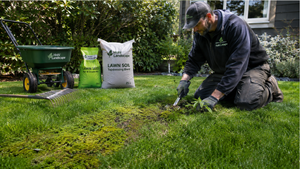
Is your lawn turning yellow, developing brown patches, or becoming covered in moss? You’re not alone. Many homeowners across Greater Victoria deal with lawn problems that can make an otherwise beautiful yard look tired and unhealthy. Victoria’s coastal climate creates some unique challenges. Our mild, rainy winters can leave lawns soggy, while dry summer conditions can stress grass and expose weak areas. The good news is that most lawn problems in Victoria, BC can be improved once you understand what’s causing them. Whether you own a family home in Saanich, a shaded property in Oak Bay, or a townhouse in Langford, this guide will help you identify common lawn issues, understand their causes, and choose practical solutions.
Quick Guide: Identify Your Lawn Problem
Before applying fertilizers or lawn treatments, take a closer look at what your grass is telling you.
| Lawn Symptom | Possible Cause | Recommended First Step |
| Yellow grass | Water stress, nutrient imbalance, poor drainage | Check soil moisture |
| Brown patches | Summer drought, insects, disease, pet damage | Inspect affected grass and roots |
| Moss spreading | Shade, moisture, thin grass, compacted soil | Check drainage and sunlight |
| Standing water | Poor drainage or compacted soil | Assess grading and soil |
| Bare patches | Heavy traffic, shade, pests, poor establishment | Identify the source of damage |
| Excessive weeds | Thin turf, exposed soil, improper mowing | Improve grass density |
These symptoms can have several causes, so identifying the underlying problem is more effective than applying a general lawn treatment.
1. Why Is My Lawn Turning Yellow in Victoria, BC?
Yellowing grass is one of the most noticeable lawn problems homeowners encounter. However, yellow grass doesn’t automatically mean your lawn needs more fertilizer.
Common Causes of Yellow Grass
Insufficient water: Extended dry weather can cause grass to lose its healthy green colour.
Overwatering: Saturated soil limits oxygen around grass roots and can contribute to yellowing.
Nutrient deficiencies: Poor soil fertility may affect grass colour and growth.
Improper mowing: Cutting grass too short can increase stress, particularly during summer.
How to Fix Yellow Grass
Start by checking the soil a few centimetres below the surface.
If it’s extremely dry, review your watering schedule. If the ground remains saturated, investigate drainage before adding more water.
Consider soil testing when nutrient deficiencies are suspected rather than applying fertilizer blindly.
During active growth, maintaining a mowing height of approximately 6–8 cm can help grass develop stronger roots and tolerate stress.
For seasonal mowing, watering, and fertilizing guidance, read our lawn maintenance checklist for Victoria homeowners.
2. Moss Taking Over Your Lawn
Moss is particularly familiar to homeowners with shaded or damp yards in Victoria.
It often thrives where grass struggles, including areas beneath mature trees, poorly drained soil, and compacted ground.
Why Does Moss Keep Coming Back?
Moss isn’t necessarily the original cause of an unhealthy lawn. Instead, it often takes advantage of conditions where grass cannot grow vigorously. Common contributing factors include:
- Limited sunlight
- Consistently damp soil
- Compacted ground
- Thin or weakened grass
- Unsuitable soil conditions
How to Remove Moss and Prevent Regrowth
Begin by identifying why the area remains damp or shaded. Improve drainage where necessary, reduce soil compaction when conditions are suitable, and consider overseeding with grass varieties appropriate for partial shade. Moss can be removed mechanically or managed with an appropriately approved treatment, but removing it alone won’t solve the underlying problem. If soil acidity is suspected, test the pH before applying lime. Not every mossy lawn needs lime.
Local tip: In deeply shaded areas where grass repeatedly fails, a suitable ground cover or planting bed may be a more practical long-term solution.
3. Brown Patches and Dead Grass in Summer
Seeing brown patches appear in July or August can be frustrating, especially after spending time maintaining your lawn in spring. Victoria’s relatively dry summers can cause cool-season grasses to slow their growth or enter dormancy.
What Causes Brown Lawn Patches?
Several conditions can produce similar symptoms:
- Drought and heat stress
- Uneven sprinkler coverage
- Pet urine
- Soil compaction
- Insect damage
- Certain fungal diseases
Before treating the lawn, look at the shape and location of the affected areas. Brown grass beside a sunny driveway may be suffering from heat and drought, while irregular patches that lift easily from the soil may indicate root damage.
How to Repair Brown Grass
Check moisture levels and sprinkler coverage first. Avoid mowing drought-stressed grass too short. If the grass is dormant rather than dead, it may recover when cooler, wetter conditions return. For genuinely dead areas, remove loose debris, prepare the soil, and overseed during suitable growing conditions. Persistent or spreading patches may require a professional inspection to identify insects or disease.
4. Poor Drainage and Waterlogged Lawns
Does your lawn stay muddy for days after rainfall? Standing water can damage grass roots, encourage moss, and make outdoor areas difficult to use. Waterlogging may result from compacted soil, unsuitable grading, blocked drainage routes, or poor soil infiltration.
How to Fix a Waterlogged Lawn
Start by observing where water collects after rainfall. Depending on the cause, possible improvements include:
- Aerating compacted areas when soil conditions permit.
- Improving soil structure where appropriate.
- Correcting unsuitable grading.
- Diverting runoff through approved drainage solutions.
- Installing professionally designed drainage where needed.
Avoid repeatedly aerating soil when it is saturated, as this can worsen compaction. Water collecting near your home’s foundation deserves particular attention. If drainage problems affect much of your backyard, a broader landscape improvement may provide a better long-term solution than repeatedly repairing damaged turf.
Our small backyard landscaping ideas guide discusses practical alternatives for compact or difficult outdoor spaces.
5. Weeds Growing Throughout the Lawn
Dandelions, plantain, clover, and other broadleaf plants commonly appear in residential lawns. Although some plants, including clover, may be acceptable or beneficial in certain landscapes, excessive unwanted weeds can indicate weak turf.
Why Do Lawn Weeds Spread?
Weeds often establish themselves where grass is thin and exposed soil is available. Low mowing heights, poor fertility, compacted soil, and inconsistent watering can make lawns less competitive.
How to Control Lawn Weeds
Focus on strengthening the grass rather than relying only on weed treatments. Mow at an appropriate height, overseed thin areas, and remove unwanted plants by hand when practical. Avoid unnecessary fertilizer applications, which can create other problems. If you’re considering herbicides, follow Health Canada’s product registration requirements and applicable local pesticide bylaws. Homeowners weighing the time and equipment involved in maintaining a lawn can explore our comparison of DIY vs. professional lawn care.
6. Bare Patches and Thin Grass
Bare patches can make even a well-maintained yard look neglected. They’re especially common along pathways, in children’s play areas, and beneath mature trees.
Common Causes
Repeated foot traffic can compact soil and damage grass. Shade, poor drainage, pet activity, and unsuccessful seed establishment may also contribute.
How to Repair Bare Lawn Areas
First, address the original cause. Loosen compacted soil when appropriate, remove dead material, and add suitable lawn topdressing where needed. Select a grass seed blend compatible with Victoria’s coastal conditions and the area’s sunlight exposure. Keep newly seeded soil appropriately moist while following applicable watering regulations. If an area receives almost no sunlight or experiences constant traffic, replacing grass with a pathway or suitable ground cover may be more effective than repeated reseeding.
7. Lawn Insects, Grubs, and Animal Damage
Have you noticed birds or other animals digging into your lawn? Sometimes this indicates insects living beneath the grass. White grubs feed on grass roots, potentially causing irregular brown areas and weakened turf.
How to Identify Potential Grub Damage
Possible indicators include:
- Turf that lifts unusually easily
- Weak or damaged grass roots
- Irregular patches of dead grass
- Repeated animal digging
However, these symptoms don’t confirm an infestation. Carefully inspect the soil beneath a damaged area to check for larvae before choosing treatment. Different pests require different management approaches.
If treatment is necessary, use only products approved for the identified pest and permitted under local regulations.
Professional assessment is worthwhile when damage is extensive or the pest cannot be confidently identified.
8. How to Prevent Common Lawn Problems Year-Round
Prevention is usually easier than repairing a severely damaged lawn.
Victoria homeowners can reduce many recurring problems by adjusting maintenance practices throughout the year.
Spring
Check drainage, remove debris, assess soil compaction, and repair damaged turf when growing conditions are suitable.
Summer
Raise mowing height when appropriate, monitor drought stress, and follow local watering restrictions.
The Capital Regional District’s regular Stage 1 watering schedule applies from May 1 through September 30, although stricter restrictions may be introduced.
Fall
Evaluate thin areas, consider overseeding, remove excessive fallen leaves, and prepare the lawn for wetter conditions.
Winter
Avoid unnecessary foot traffic on saturated soil and monitor drainage instead of mowing unnecessarily.
For homeowners who prefer consistent professional attention, monthly lawn maintenance plans can help organize recurring tasks and seasonal care.
When Should You Call a Professional Lawn Care Company?
Some lawn issues are straightforward to manage, while others require a closer assessment. Professional support may be helpful if:
- Moss keeps returning despite repeated removal.
- Large sections of grass are dying.
- Water regularly collects near your home.
- You suspect insect or fungal damage.
- Lawn repairs repeatedly fail.
- You don’t have time for regular maintenance.
The right solution depends on your lawn’s condition, not simply the number of treatments applied. Hohl Landscape provides professional landscape maintenance services in Victoria, BC, including mowing, edging, cleanup, and other lawn and garden maintenance options. For homeowners comparing professional service costs, our guide to lawn care pricing in Victoria, BC explains what affects maintenance quotes.
Frequently Asked Questions About Lawn Problems in Victoria, BC
1. Why is my lawn full of moss in Victoria?
Moss often grows where grass struggles because of shade, excess moisture, soil compaction, or unsuitable growing conditions. Improving drainage, reducing compaction, and choosing suitable grass can help prevent it from returning.
2. Can brown grass turn green again?
Yes, if the grass is dormant rather than dead. Cool-season lawns may recover when temperatures cool and moisture returns. Grass with dead roots generally needs repair or reseeding.
3. How do I know whether my lawn needs fertilizer?
Yellowing or slow growth can indicate nutrient deficiency, but other problems produce similar symptoms. A soil test can help determine whether fertilizer is necessary and which nutrients are needed.
4. What is the best time to repair a lawn in Victoria, BC?
Early fall is often suitable for overseeding because cooler temperatures and seasonal moisture support establishment. Spring can also work when soil conditions are favourable.
5. How can I stop my lawn from getting muddy?
Identify the source of excess water. Depending on site conditions, solutions may include improving drainage, correcting grading, reducing compaction, or changing how the area is used.
6. How often should I water my lawn in Victoria?
For established green lawns, the CRD recommends approximately 2.5 cm of water weekly, including rainfall. Follow your applicable watering schedule and adjust for current weather and soil conditions.
7. What should I do if weeds keep coming back?
Improve lawn density through appropriate mowing, watering, soil care, and overseeding. Persistent weeds may indicate underlying issues such as compaction, exposed soil, or poor growing conditions.
8. Can lawn problems be fixed without replacing the entire lawn?
Often, yes. Localized problems may respond to improved maintenance, drainage correction, aeration, or overseeding. Extensive root damage or unsuitable site conditions may require more substantial restoration.
Final Thoughts: Keep Your Victoria Lawn Healthy
Most common lawn problems in Victoria, BC, are easier to manage once the real cause has been identified.
Whether you’re dealing with moss, yellow grass, brown patches, drainage issues, or persistent weeds, the goal should be to improve growing conditions rather than repeatedly applying short-term treatments.
A healthy lawn starts with suitable soil, appropriate watering, consistent mowing, and seasonal care.
Need Help With Lawn Problems in Victoria, BC?
Hohl Landscape helps homeowners and property managers maintain attractive outdoor spaces across Greater Victoria.
Whether your lawn needs ongoing maintenance or you’re looking for guidance on recurring issues, our team can help assess your property’s needs.
Contact Hohl Landscape to discuss your lawn care concerns and request a personalized estimate.
Serving Victoria, Saanich, Oak Bay, Langford, Sidney, and surrounding Greater Victoria communities.